
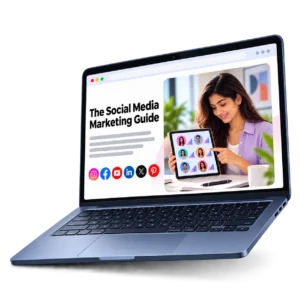
Your own brand posting about itself will always sound like your own brand posting about itself. A customer showing off what they bought, or a creator your audience already trusts, sells in a way your own account structurally can't. This is different from running your own social accounts, and different from buying ad space. This is about getting other people, creators, customers, affiliates, to do the selling, and making sure it's tracked to actual sales instead of just views. Most businesses either skip this entirely or hand a flat fee to whoever has the most followers and hope for the best. We vet who we work with, track what it actually produces, and keep it disclosed properly, because an untracked influencer post and an undisclosed one both cost more than they're worth eventually.

Why Businesses Trust Us With Their Social Media Marketing
Anyone can promise influencer buzz. Here’s what actually needs to back that up.
Eleven Years Doing This
Long enough to have watched influencer marketing go from a novelty to a real, trackable revenue channel, and to know the difference between the two.
No Long-Term Lock-In
This work should keep earning its place. You're never stuck with us just because leaving would be inconvenient.
Honest When This Isn't the Right Move Yet
Influencer and creator marketing works best once there's already something worth talking about. If your business isn't there yet, we'll say so instead of running a campaign anyway, even if everyone else in your space already has one running.
We Don't Take a Cut of What Creators Are Paid
Creator fees go to creators. Our fee is for the strategy and management, not quietly marked up on top of what you're paying the people doing the actual selling.
What Our Social Media Marketing Covers
Every campaign we run stands on these six pillars. This isn’t handing money to whoever has the biggest following.
Influencer & Creator Partnerships
Creators shortlisted and vetted for real, engaged audiences, not bought followers, then matched to your actual customer rather than picked for follower count alone. Nano and micro creators, the ones with smaller but genuinely engaged followings, often outperform bigger names at a fraction of the cost.
UGC Program Management
A real system for collecting customer photos, reviews, and creator content, with usage rights sorted properly, so real people's content can actually be reused across your website, ads, and social.
Social Commerce Setup
Shoppable posts, product tagging, and storefronts like TikTok Shop set up and connected properly, so social media becomes a place people can actually buy, not just browse.
Creator-Affiliate Programs
Performance-based partnerships where creators earn from what they actually sell, through trackable links or promo codes, instead of a flat fee regardless of results.
Disclosure & Compliance
Every sponsored post structured to meet current disclosure rules, both the FTC's guidelines and ASCI's requirements for the Indian market, so a campaign doesn't turn into a compliance problem later.
Campaign Tracking & Attribution
Unique links, promo codes, and per-creator dashboards, so you can see exactly which partnership drove which sale instead of guessing from a bump in followers.
Social Media Marketing Challenges We Fix
Situations we hear from business owners most often, and how we solve each one.
- We don't know which influencers are real, and which have bought followers
- Audience quality checked before any money changes hands, using the same tools that catch bought followers and bot engagement
- Smaller, genuinely engaged creators considered seriously, since follower count alone tells you almost nothing about who's actually watching
- A real vetting step built into every campaign, not a decision made off a media kit alone
- Straight answers about a creator's actual reach versus their claimed reach
- We ran an influencer campaign, and couldn't tell if it actually worked
- Trackable links or promo codes set up before the campaign launches, not added as an afterthought
- Reporting tied to clicks, sign-ups, or sales by creator, not follower counts or vague impressions
- A clear answer to which partnerships earned their cost and which didn't
- No repeat spend on a creator whose content simply looked good without producing anything
- We have happy customers, but no system for turning that into content
- A structured way to actually ask for photos, reviews, and video from customers who already like what you sell
- Usage rights sorted properly upfront, so content can be reused without an awkward conversation later
- Real customer content repurposed across your website, ads, and social instead of sitting unused
- A steady pipeline instead of a handful of screenshots collected at random
- Social commerce features like shoppable posts and TikTok Shop set up alongside it, so all that goodwill has somewhere to actually convert into a sale
- We're not sure our sponsored content is disclosed the way it's supposed to be
- Every partnership checked against current FTC and ASCI disclosure requirements before it goes live
- Clear, visible disclosure built into the content itself, not buried where nobody notices it
- Both sides of the partnership covered, since creators and brands can both be held responsible
- One less legal risk sitting quietly in a campaign nobody double-checked
Social Media Marketing Questions Business Owners Ask Us
Straight answers to what business owners ask us most often, before signing on for anything.
How is this different from your Social Media Management service?
Social Media Management runs your own accounts, your posts, your community, your own voice. This is about other people’s voices, creators, customers, and affiliates, doing the selling instead. Many clients run both together, since a strong organic presence gives creator partnerships something real to point to.
How is this different from Pay Per Click?
Pay Per Click buys ad space through Google and Meta’s own auction systems. This is about relationships and content, creator partnerships, customer content, and commerce setup, not bidding on ad inventory. Where a creator’s content ends up running as a paid ad, our Pay Per Click team picks it up from there.
How do you make sure an influencer isn't using fake followers?
Audience quality gets checked before any agreement is made, looking at engagement patterns and follower authenticity rather than just the headline follower count. A creator with fifteen thousand genuinely engaged followers is usually worth more than one with a hundred thousand mostly-inactive ones.
Do sponsored posts legally need to be disclosed?
Yes. The FTC in the US and ASCI in India both require clear disclosure when a post involves payment or a free product, and the requirement applies to obvious sponsorships as well as looser gifting arrangements. Both the brand and the creator can be held responsible if it’s missing or unclear, so we check this before anything goes live.
Can you help us sell directly through Instagram or TikTok?
Yes. Product tagging, shoppable posts, and setups like TikTok Shop turn a social profile into a place people can actually complete a purchase, not just discover a product and leave to search for it elsewhere.
See What Other People Could Be Saying About You
(+91) 98969-91330